
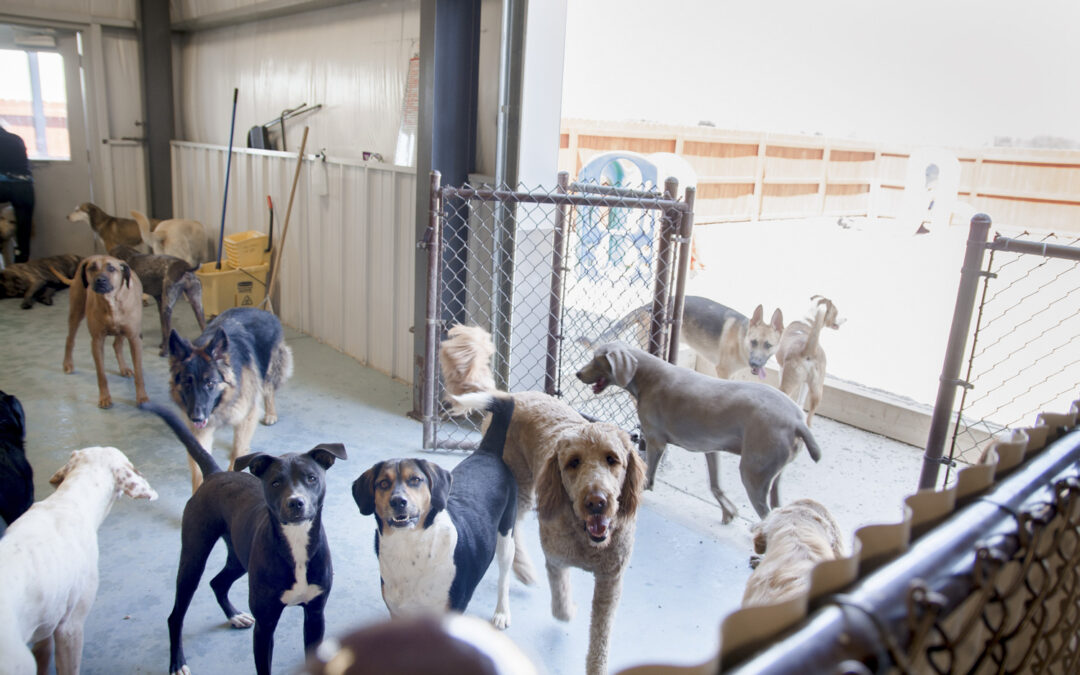
Yes, dogs can get kennel cough from boarding, daycare, grooming salons, dog parks, training classes, vet clinics, or any place where dogs spend time near one another. The good news is that kennel cough is usually mild, treatable, and preventable with the right precautions. For pet parents, the phrase “kennel cough” can sound alarming, especially when it is connected to boarding. But understanding how it spreads, what symptoms to watch for, and how a quality pet care facility helps reduce risk can make boarding feel much less stressful.
Boarding should be a positive experience for dogs and their families. Many dogs love the excitement, social interaction, routine, playtime, and attention they receive while staying at a professional facility. Still, anytime dogs share air, toys, play yards, sleeping areas, or indoor spaces, contagious respiratory illnesses can spread. Kennel cough is one of the most common examples.
This guide explains what kennel cough is, how dogs may catch it while boarding, what responsible facilities do to help protect pets, and how you can prepare your dog for a safer, healthier stay.
What Is Kennel Cough?
Kennel cough is a common term for canine infectious respiratory disease complex. That simply means it is a contagious upper respiratory illness in dogs. It can be caused by several different bacteria and viruses, including Bordetella bronchiseptica, canine parainfluenza virus, canine adenovirus, and other respiratory pathogens.
The most recognizable symptom is a dry, hacking cough that may sound like your dog has something stuck in their throat. Some dogs cough only occasionally, while others cough frequently, especially after excitement, exercise, drinking water, or pulling on a leash.
In many cases, kennel cough is similar to a human cold. It can be uncomfortable and contagious, but it is often not life-threatening for healthy adult dogs. However, puppies, senior dogs, dogs with weakened immune systems, and dogs with existing heart or lung conditions may be at greater risk of complications. That is why prevention, early recognition, and responsible pet care practices matter.
Can Dogs Get Kennel Cough from Boarding?
Yes, boarding can be one setting where kennel cough spreads. This does not mean boarding facilities are unsafe or unclean. It means dogs in group environments naturally have more opportunities to come into contact with respiratory germs.
A dog can catch kennel cough from another dog who is actively coughing, just beginning to get sick, or carrying an infection without obvious symptoms. Because symptoms may not appear right away, a dog can seem perfectly healthy at drop-off and begin coughing days later.
Kennel cough can spread through:
- Airborne droplets from coughing, sneezing, or barking
- Nose-to-nose contact between dogs
- Shared water bowls, toys, bedding, or surfaces
- Close play in group daycare or boarding spaces
- Human hands, leashes, or equipment if sanitation practices are not followed
A clean, professional boarding facility can greatly reduce risk, but no facility can guarantee that a dog will never be exposed to a contagious illness. Just as children may catch colds at school even when classrooms are cleaned, dogs may pick up respiratory illnesses in social pet care environments.
Why Boarding Environments Can Increase Exposure
Dogs are social animals, and boarding often brings them into contact with other dogs from different households. This is part of what makes boarding fun and enriching, but it also increases exposure to germs that a dog might not encounter at home.
Several factors can contribute to kennel cough transmission in boarding settings:
- Close proximity: Dogs may sleep, play, or relax near other dogs.
- Shared airspace: Respiratory droplets can travel through the air, especially indoors.
- Excitement and barking: Barking and heavy breathing can release more respiratory particles.
- Stress: Some dogs experience mild stress when away from home, which may temporarily affect their immune response.
- Incubation period: Dogs may be contagious before symptoms appear.
- High traffic: Boarding facilities serve many dogs, which naturally increases the number of possible exposures.
A reputable facility understands these risks and uses careful cleaning, vaccination requirements, screening, ventilation, and staff observation to help keep dogs healthier.
What Are the Symptoms of Kennel Cough?
Kennel cough symptoms can range from mild to more noticeable. Some dogs remain energetic and happy, while others may seem tired or under the weather.
Common symptoms include:
- A dry, honking, hacking cough
- Coughing after exercise or excitement
- Gagging or retching after coughing
- Sneezing
- Runny nose
- Watery eyes
- Mild lethargy
- Reduced appetite
- Low-grade fever in some cases
A dog with kennel cough may still want to eat, play, and act normally. However, symptoms should always be monitored. If your dog has trouble breathing, becomes very tired, refuses food, develops a high fever, or the cough worsens, contact your veterinarian promptly.
How Soon After Boarding Can Kennel Cough Appear?
Kennel cough symptoms often appear a few days after exposure, but timing can vary. Some dogs may begin coughing within two or three days, while others may not show symptoms for a week or longer.
This delayed timeline can make it difficult to know exactly where a dog was exposed. A dog could have encountered the illness at boarding, daycare, grooming, a dog park, a neighborhood walk, a training class, or even a veterinary office. Because kennel cough is highly contagious and common in dog-friendly environments, exposure is not always easy to trace.
Is Kennel Cough Serious?
For many healthy adult dogs, kennel cough is mild and clears with rest, supportive care, or medication from a veterinarian. Still, it should not be ignored. A persistent cough can make your dog uncomfortable, and some cases can develop into more serious respiratory problems.
Kennel cough deserves extra caution if your dog is:
- A young puppy
- A senior dog
- Immunocompromised
- Pregnant
- Diagnosed with heart disease
- Diagnosed with respiratory disease
- Recovering from another illness or surgery
If your dog fits any of these categories, ask your veterinarian about the best boarding precautions before scheduling a stay.
Can Vaccines Prevent Kennel Cough?
Vaccines can help reduce the risk and severity of kennel cough, especially vaccines that protect against Bordetella and other respiratory pathogens. However, vaccines do not provide complete protection against every possible cause of canine respiratory illness.
This is because kennel cough can be caused by multiple bacteria and viruses. Think of it like the flu or common cold in people. Vaccination helps, but it may not prevent every infection. A vaccinated dog may still develop a cough, but symptoms are often milder than they would be without vaccination.
Many boarding and daycare facilities require dogs to be current on vaccinations before entry. This policy helps protect all pets in the facility and reduces the chance of severe illness spreading.
Typical vaccine requirements may include:
- Rabies
- Distemper combination vaccine
- Bordetella
- Canine influenza, depending on the facility and local risk
Always check with the boarding facility before your dog’s stay so you know which vaccines are required and how far in advance they must be given.
How Boarding Facilities Help Reduce Kennel Cough Risk
A responsible boarding facility takes respiratory health seriously. While no group dog environment can eliminate every risk, strong health and sanitation protocols can make a meaningful difference.
Professional pet care facilities may help reduce risk through:
- Vaccination requirements: Requiring current vaccines helps protect the broader pet community.
- Health screening: Staff may watch for coughing, sneezing, lethargy, or other signs of illness.
- Cleaning protocols: Regular disinfection of kennels, play areas, bowls, bedding, and shared surfaces helps reduce germs.
- Good ventilation: Fresh airflow can help limit respiratory particle buildup.
- Separate spaces: Dogs can be grouped appropriately by temperament, size, play style, and health needs.
- Trained staff: Experienced caregivers can spot potential symptoms early and respond quickly.
- Clear communication: Quality facilities notify pet owners when health concerns arise.
These steps support a safer, cleaner, more comfortable boarding experience.
What Pet Owners Can Do Before Boarding
Pet parents also play an important role in reducing the spread of kennel cough. Preparing your dog before boarding helps protect your pet and other dogs.
Before your dog’s stay, consider these tips:
- Confirm your dog is current on required vaccines.
- Schedule vaccines early, not the day before boarding.
- Ask your veterinarian whether Bordetella or canine influenza vaccination is recommended.
- Avoid boarding if your dog is coughing, sneezing, vomiting, or acting sick.
- Share your dog’s medical history with the facility.
- Bring any required medications with clear instructions.
- Tell staff about recent exposure to sick dogs.
- Choose a reputable facility with strong health and cleaning standards.
A little preparation helps everyone. It gives your dog the best chance of enjoying a happy, healthy visit.
Should You Board a Dog Who Recently Had Kennel Cough?
Usually, no. A dog who recently had kennel cough should not return to boarding, daycare, grooming, dog parks, or other social dog settings until they are fully recovered and cleared by a veterinarian.
Even if the cough has improved, your dog may still be contagious for a period of time. Your veterinarian can advise when it is safe to resume normal activities. The timeline may depend on the cause of infection, severity of symptoms, treatment plan, and your dog’s overall health.
As a general rule, do not board your dog if they are showing signs such as:
- Active coughing
- Sneezing or nasal discharge
- Fever
- Low energy
- Loss of appetite
- Recent exposure to a contagious dog illness
Keeping a sick dog at home protects your pet and helps prevent illness from spreading to other families’ dogs.
What Happens If Your Dog Starts Coughing After Boarding?
If your dog develops a cough after boarding, stay calm and monitor symptoms closely. Many cases are mild, but it is still wise to contact your veterinarian for guidance.
Here is what to do:
- Keep your dog away from other dogs.
- Call your veterinarian and describe the symptoms.
- Avoid dog parks, daycare, grooming, and training until cleared.
- Use a harness instead of a collar if leash pressure worsens coughing.
- Encourage rest and hydration.
- Follow your veterinarian’s treatment recommendations.
You should also notify the boarding facility. This does not mean the facility did anything wrong. It helps them monitor other dogs, review health records, and take any additional precautions if needed.
How to Choose a Boarding Facility with Confidence
Choosing the right boarding facility can help you feel more comfortable leaving your dog in someone else’s care. The best facilities combine cleanliness, safety, enrichment, communication, and compassion.
When comparing dog boarding options, ask questions such as:
- What vaccines are required?
- How are dogs screened before entering?
- What cleaning products and routines are used?
- How often are play areas and lodging spaces sanitized?
- How are dogs grouped for play or rest?
- What happens if a dog shows symptoms of illness?
- Are staff trained to recognize coughing, stress, or discomfort?
- Can staff accommodate special needs, medications, or feeding instructions?
A trustworthy pet resort will welcome thoughtful questions. Their answers should make you feel informed, respected, and confident.
Boarding Can Still Be a Great Experience
It is natural to worry about kennel cough, but it should not automatically stop you from boarding your dog. With the right facility, updated vaccines, honest communication, and attentive care, boarding can be safe, fun, and enriching.
Many dogs benefit from boarding because it gives them:
- Supervised socialization
- Exercise and play
- Mental stimulation
- A consistent routine
- Professional attention
- A comfortable place to stay while their family is away
The goal is not to avoid all social settings forever. The goal is to choose them wisely and prepare your dog for success.
FAQ: Kennel Cough and Dog Boarding
Can dogs get kennel cough even if they are vaccinated?
Yes. Vaccines help reduce risk and may make symptoms milder, but they do not protect against every possible cause of kennel cough.
How long does kennel cough last?
Many mild cases improve within one to two weeks, but some coughs last longer. Your veterinarian can give the best guidance based on your dog’s symptoms.
Is kennel cough contagious to other dogs?
Yes. Kennel cough is contagious and can spread through coughing, sneezing, shared items, and close contact.
Should I tell the boarding facility if my dog starts coughing afterward?
Yes. Letting the facility know helps them monitor other dogs and take extra precautions if needed.
Can my dog go to daycare with a mild cough?
No. A coughing dog should stay home and avoid contact with other dogs until a veterinarian says it is safe.
Is kennel cough caused by dirty boarding facilities?
Not necessarily. Kennel cough can spread in any dog-friendly environment, even clean and well-managed ones. Strong cleaning and health protocols help reduce risk.
When should I call the vet?
Call your veterinarian if your dog has a persistent cough, trouble breathing, fever, low energy, loss of appetite, or worsening symptoms.
Can humans catch kennel cough?
Most healthy people are not at risk, but people with severely weakened immune systems should ask a physician and veterinarian for guidance.
How can I lower my dog’s risk before boarding?
Keep vaccines current, choose a reputable boarding facility, avoid boarding when your dog is sick, and share any recent illness or exposure history with staff.
Is boarding safe for puppies?
Boarding may be safe for some puppies once they have the proper vaccines, but young puppies are more vulnerable. Ask your veterinarian and the facility before booking.
Plan Confident Care with Lucky Bones Pet Resort
Boarding should feel reassuring for you and enjoyable for your dog. At Lucky Bones Pet Resort, we are proud to be a trusted dog boarding, daycare, grooming, and training facility near Columbus, serving Columbus pet owners from our Canal Winchester location since 2004. Our team understands how important your pet’s health, comfort, and happiness are, and we are here to help you choose the right care for your dog.
Whether your pet needs a comfortable boarding stay, a fun day of daycare, professional grooming, or supportive training, we are ready to help. Explore our services and pricing, or contact us today to plan the right care for your pet.